The Fear I Hear Every Week
"Please do not cut too much." I hear some version of this sentence almost every time I bring up a trim. I understand it completely. When you have spent months or years growing your hair out, the idea of a stylist taking scissors to it can feel like undoing all that progress. That fear is real. But here is the truth I want every client to really sit with: skipping trims is often what is actually slowing your growth journey down, not speeding it up. I see it weekly.
What a Trim Actually Removes
A trim is not about cutting length for the sake of cutting length: it is about removing damaged, split, and thinning ends before that damage has a chance to travel further up the hair shaft. Split ends do not stay put. Left alone, a split will continue to travel upward along the strand, and eventually you lose more hair to breakage than you ever would have lost to a small, controlled trim.
Length Retention Versus Hair Growth
Your hair is almost certainly growing at a normal, healthy rate already. Hair growth happens at the scalp. It is largely determined by genetics, health, and scalp condition, not by how often you trim. What trims actually control is length retention, meaning how much of that new growth you actually get to keep as visible length rather than losing it to breakage at the ends.
Think of it this way. Growth is the water flowing into a bucket, and retention is whether or not the bucket has holes in it. Skipping trims to "save length" while your ends are splitting and breaking is like ignoring a leaky bucket and wondering why the water level never rises.
How Often You Actually Need One
You do not need a trim every six weeks. Not like a traditional short haircut. For most natural hair clients, a trim every twelve to sixteen weeks is a reasonable target, though this varies based on how much heat styling and manipulation your hair goes through. Hair that gets frequent silk presses or heat styling may need slightly more frequent trims than hair that stays in low manipulation protective styles most of the time.
What a Good Trim Actually Looks Like
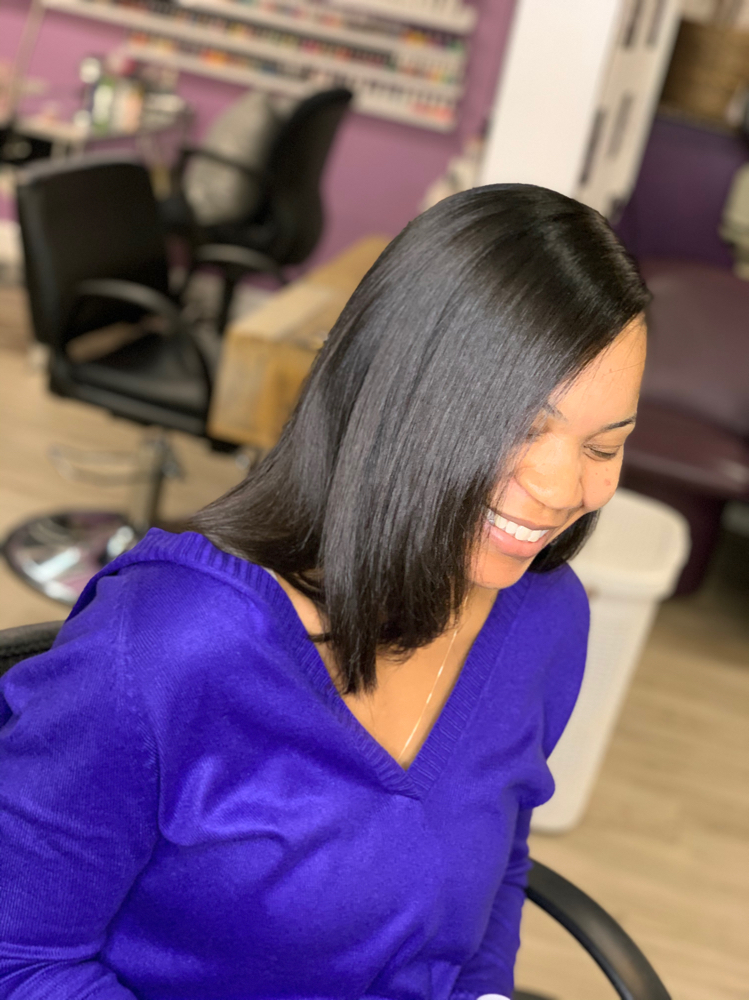
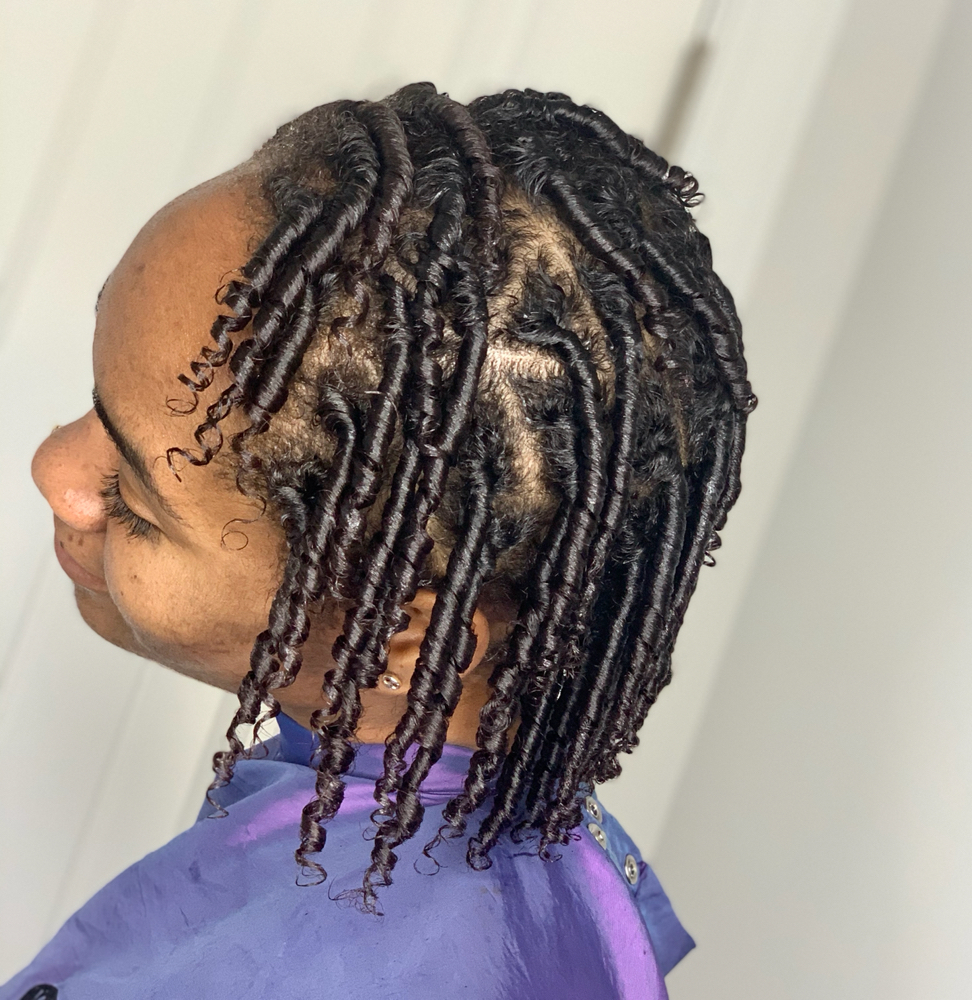
A skilled trim is not a dramatic chop. It is a precise, small removal of damaged ends, often less than half an inch, done with sharp shears on dry or stretched hair so we can actually see where the damage starts and stops, and I always show clients the difference in how their ends look and feel before and after. That way the value of the trim is not just something I am telling you. It is something you can see for yourself.
Signs You Are Overdue
- Ends that look thin, wispy, or see-through in photos
- Increased tangling and knotting specifically at the ends
- Split ends you can feel between your fingers
- Hair that seems to have stalled at the same length for a while despite growth elsewhere
Trust the Process
I know handing over the scissors feels like a risk. But protecting length long term means being proactive about the health of your ends rather than reactive once serious damage has already set in. That's the shift. A consistent trim schedule, paired with the moisture and protein balance we have talked about in other posts, is one of the most reliable paths to genuinely longer, healthier hair.
If it has been a while since your last trim, or you are working through some trim anxiety of your own, let's talk about it. You can see how we approach trims as part of our styling services on our services page, and when you are ready, book an appointment.
A small trim today protects a lot more length tomorrow. That's the trade.
Reframing How You Think About Length
I encourage clients to shift their mindset from counting inches to evaluating overall hair health. Hair that is thick, full, and healthy at a shorter length almost always looks more impressive than hair that is longer but thin, wispy, and damaged at the ends. Health first, length second. That order tends to produce the results people actually want when they picture their hair goals.
What Happens If You Keep Skipping Trims
I have seen this pattern many times. A client avoids trims for a year or more out of fear of losing length, only to eventually need a more significant cut because the damage traveled so far up the shaft that a small trim is no longer enough to address it. Staying consistent with smaller, regular trims almost always means less hair removed in total over time compared to one dramatic catch up cut.
Trimming and Different Hair Goals
If you are actively trying to grow your hair to a specific length, trims can feel counterintuitive. They are actually part of the strategy. Not opposed to it. If you are maintaining a length you already love, regular trims keep your ends looking fresh and healthy without changing your overall length much at all. Either way, the goal of a trim stays the same. Protect what you have by removing what is already compromised.
A Note on Self Trimming at Home
While I understand the appeal of trimming at home between salon visits, uneven cuts, dull scissors, and cutting on the wrong hair state, like stretched versus shrunken curls, can create more problems than they solve, and if you are trying to stretch time between salon visits, focus on gentle handling and moisture protein balance instead. Leave the scissors to me.
Trust Building Over Time
If trim anxiety is genuinely holding you back, we can start small. No pressure. A very conservative trim focused only on the most obviously damaged ends lets you see the process and the results before committing to anything more. Many clients find that once they see how a proper trim actually looks and feels, the anxiety fades on its own.
Your hair's health and your length goals are not in competition with each other. A thoughtful trim schedule supports both at the same time.