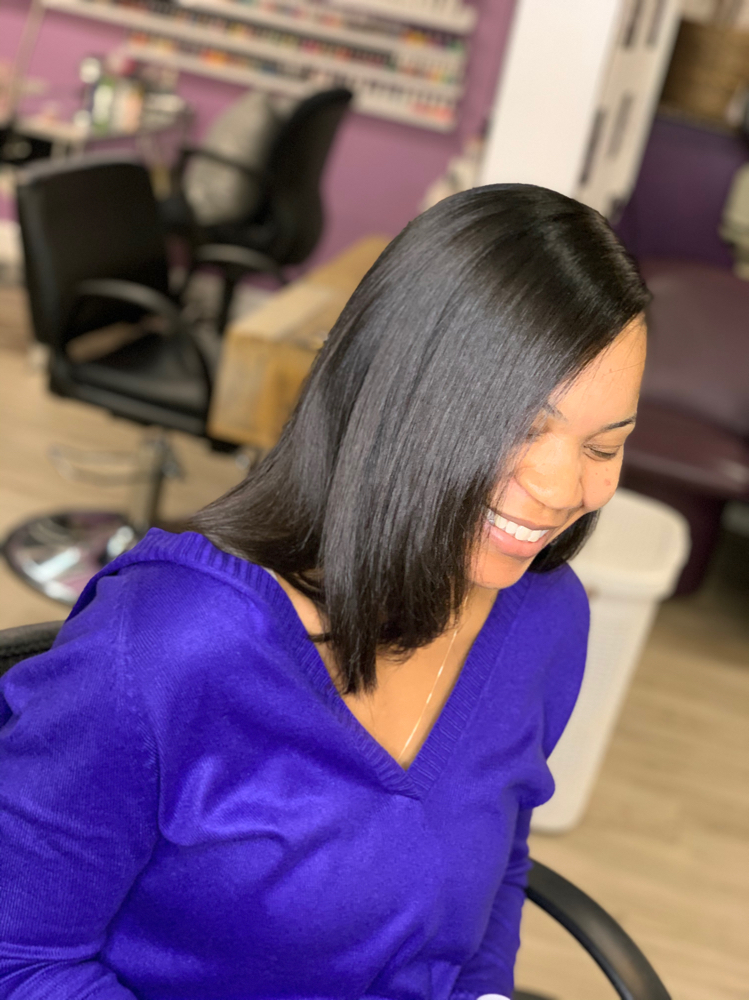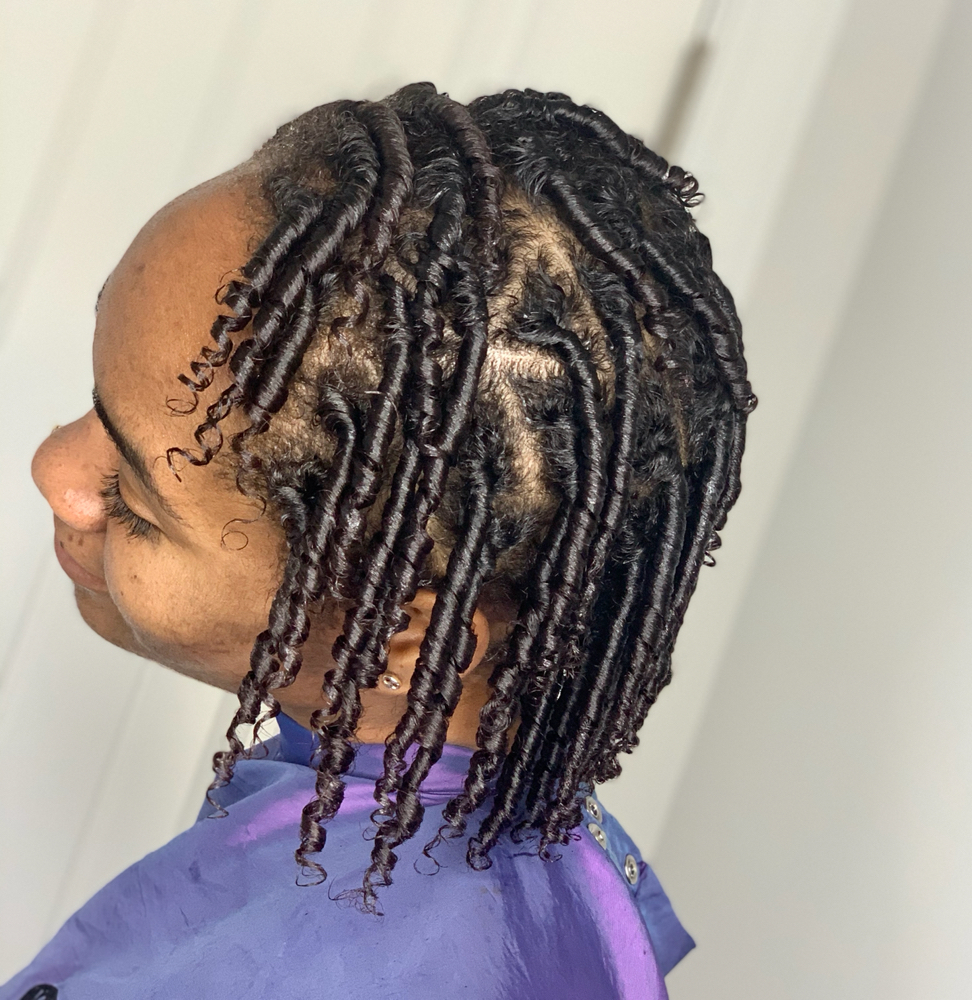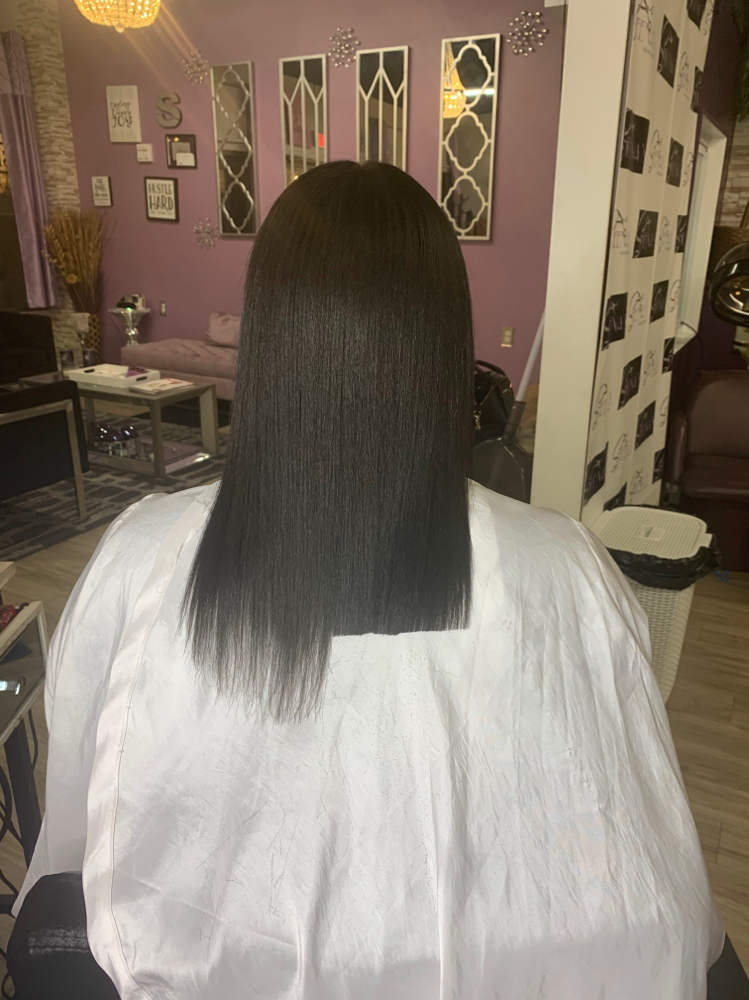
"Protective style" has become such a catch-all term that I think we've lost the plot a little on what it's actually supposed to mean. A style is only protective if it's genuinely reducing manipulation, tension, and exposure to damage, not just because it involves braiding hair or tucking away your ends, no matter how put together it looks in a photo. I've seen plenty of so-called protective styles do real harm over the years, more times than I can count, and I want to walk through how to actually tell the difference. That's the whole point.
The Core Test: Tension
Everything starts here.
The single biggest factor that determines whether a style is protecting your hair or quietly damaging it is tension. Specifically, tension at the hairline and edges. Your edges are the finest, most fragile hair on your entire head, and they're also the hair most commonly sacrificed for a "sleek" or "laid" look.
If a style is pulling your edges tight enough to create a headache, tenderness, or visible bumps along the hairline, that is not a protective style. It doesn't matter what it's called. That's traction alopecia in progress. Traction alopecia from repeated tight styling is one of the most common causes of permanent hairline thinning I see in the chair, week after week, year after year. It's also one of the most preventable. It builds up slowly over years of styles that each individually seemed fine. Fine alone, costly together.
A genuinely protective style should feel snug and secure, not painful, and you should not be able to see stress bumps or redness along your part lines and edges within the first day.
Styles That Tend to Protect Well
Here's what tends to work.
- Braids, twists, or locs installed with moderate, even tension throughout, not concentrated at the root.
- Low-manipulation styles like bantu knots or flat twists that tuck ends away and reduce daily combing and manipulation.
- Wigs and closures installed on a well-prepped, braided-down base without excessive gel or tension at the perimeter.
- Buns and updos secured with soft, seamless accessories rather than tight elastics, worn loosely enough that you can't feel pulling at the scalp.
Styles That Often Cause More Harm Than Good
Here's what tends to backfire.
- Micro braids or very small braids done too tightly, especially repeated in the same pattern over and over without variation.
- Ponytails or buns pulled severely tight at the root, especially daily, for months on end.
- Styles left in far longer than they should be, where matting and buildup at the scalp start to cause their own damage.
- Any style where the stylist skips proper sectioning and prep in favor of speed, resulting in uneven, excessive tension in certain spots.
Prep Actually Matters More Than People Think
Prep is everything.
A protective style is only as good as the foundation it's built on, and before any braid, twist, or wig install, hair should be properly detangled, deep conditioned, and, ideally, braided down cleanly in neat, tension-free sections. Every step counts. Skipping this step to save time is one of the most common ways a style ends up causing damage, because hair gets caught, tangled, or unevenly stressed underneath. Every step, no shortcuts.
I also recommend a scalp treatment before going into any longer-term protective style, since you won't have easy access to your scalp for cleansing and care once the style is installed. Starting with a clean, healthy scalp environment makes a real difference in how your hair fares underneath, especially once it's sealed away under a style for weeks at a time. It's worth doing right.
How Long Is Too Long
This is where I get the most pushback, because protective styles are expensive and time-consuming, so the instinct is to stretch them as long as humanly possible, sometimes well past when they really should come out. But there is a real limit. It matters. Most braided or twisted protective styles should come out within six to eight weeks, and beyond that window, matting, buildup, and new growth tension all start working against you rather than for you. Locs and certain low-tension styles can go longer, but that's a different conversation with different maintenance built in along the way. Different rules apply.
If you take a style out and your edges look thinner, or you notice more shedding than usual at the root, that's information, and it means the tension or duration wasn't right for your hair, so it's worth adjusting the approach next time.
My Approach in the Chair
When I install a protective style, I'm thinking about the eight weeks after just as much as the day of, because both matter equally in the end. That's the mindset. Always. That means proper prep, even tension, and a style that actually fits your hair's needs rather than just what's trending in a magazine somewhere. It also means a real conversation about how long it should stay in. You can see the protective styling and prep services I offer on our services page, and if you're ready to get started the right way, book an appointment and we'll build a style that actually does its job.