What Happens to Your Hair While You Sleep
We spend so much time and money perfecting our wash day and styling routine, then hop into bed on a cotton pillowcase. And undo half of it by morning. Your nighttime routine is not an optional extra step. It is one of the most important parts of keeping natural hair healthy, moisturized, and holding its style.
Why Cotton Is the Enemy of Natural Hair
Cotton fibers are rough and absorbent. As you toss and turn through the night, cotton pulls moisture directly out of your hair and creates friction against your strands. That leads to frizz, tangles, and eventually breakage. This is true whether your hair is loose, twisted, braided, or freshly pressed.
Satin and Silk Are Non-Negotiable
Satin and silk fibers are smooth, which means your hair can move against the fabric without catching, snagging, or losing moisture. A satin bonnet, silk scarf, or silk pillowcase creates a low friction surface for your hair to rest on all night. If you only make one change to your nighttime routine, switch your pillowcase or start wrapping your hair before bed.
Bonnet vs. Scarf vs. Pillowcase
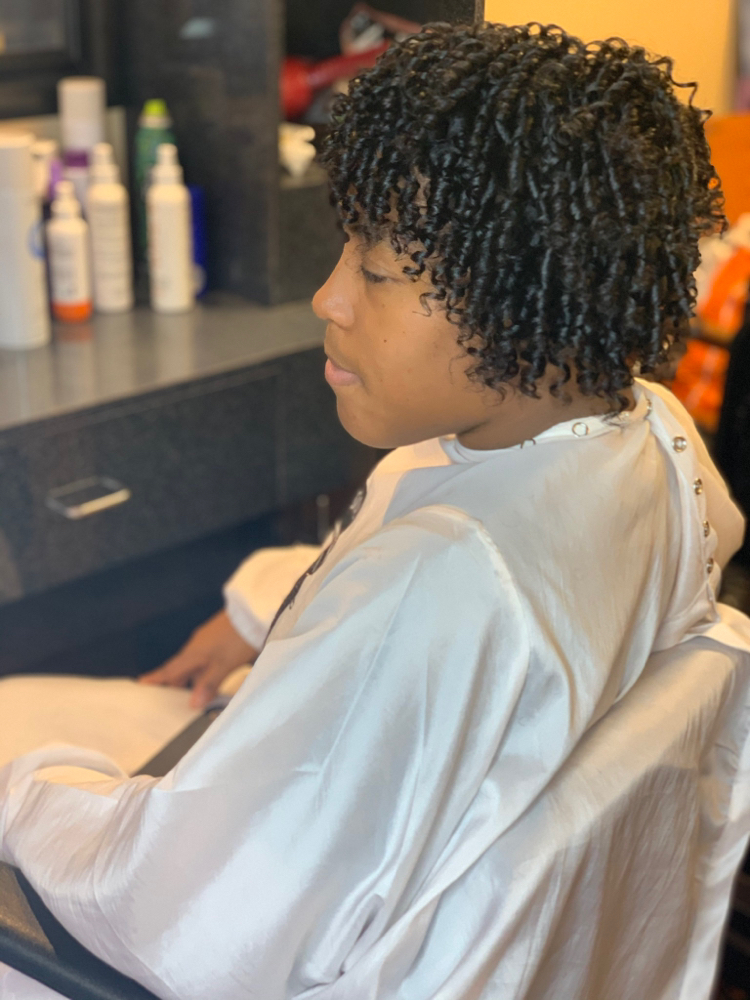
- Bonnets are great for preserving curl definition and keeping styles like twist outs and wash and gos intact overnight
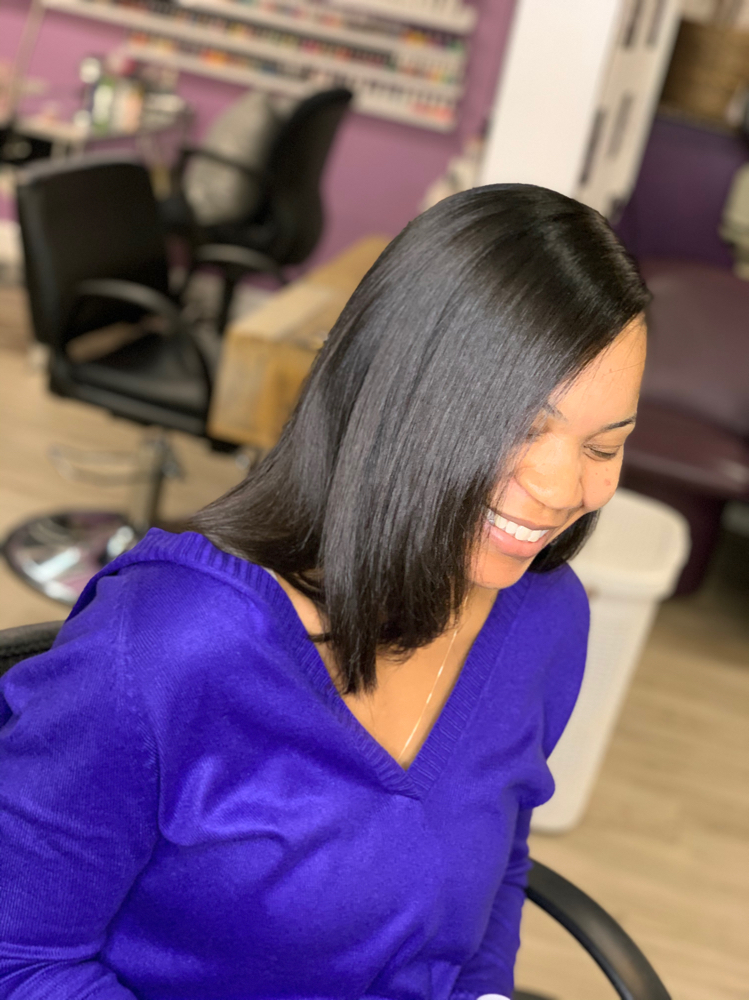
- Silk scarves work well for wrapping straightened styles like a silk press smoothly around the head to maintain the sleek finish
- Silk pillowcases are the easiest option if you struggle to keep a bonnet or scarf on through the night, and they protect your skin too
Many of my clients keep more than one option on hand depending on the style they are wearing that week.
Pineapple, Twist, or Wrap Your Hair Based on Your Style
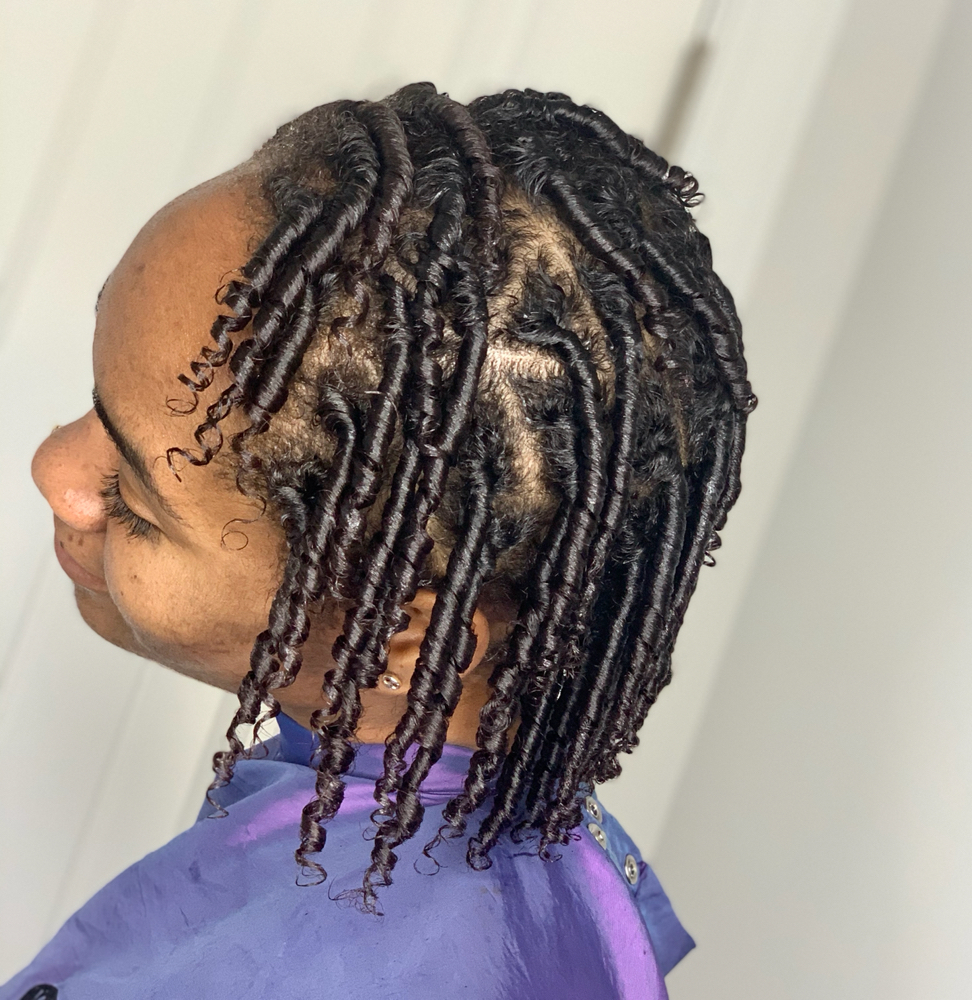
If you are wearing curls loose, gathering your hair into a high loose ponytail on top of your head, often called a pineapple, keeps your curl pattern from getting crushed against the pillow. If you have braids, twists, or locs, a silk scarf wrapped around the perimeter of your hair protects your edges specifically. That's usually the most fragile area.
If you just left the salon with a fresh silk press, wrapping is essential. I always walk clients through exactly how to wrap a silk press before they leave their appointment. It determines how long the style lasts.
Add Moisture Before You Wrap
A light mist of water and leave in conditioner, or a small amount of a lightweight oil on your ends, before you bonnet or wrap helps your hair go into the night hydrated. Not dry at all. Skipping this step and wrapping bone dry hair means you wake up just as dry as you went to sleep.
Building the Habit
The hardest part of a night routine is not the technique. It is consistency. Keep your bonnet or scarf somewhere you will actually see it, like on your nightstand, rather than buried in a drawer. The nights you skip it are usually the nights you notice the most frizz and tangles the next morning.
When Your Routine Needs a Tune Up
If you are already doing all of this and still waking up with dry, tangled, or frizzy hair, it might be time to look at the products or techniques you are using during the day. Not just at night. I cover this in depth during consultations. You can see the full range of what we offer on our services page. If your silk press specifically is not surviving the week, book an appointment and we will troubleshoot your whole routine together.
Protecting your hair overnight is one of the lowest effort, highest reward habits you can build. That's really it. It costs a few dollars for the right fabric and a few extra minutes before bed.
Setting Up Your Bedroom for Better Hair Days
Beyond the bonnet or wrap itself, small environmental changes support your nighttime routine too. Small things add up. Keeping your bedroom on the cooler, slightly humid side, using a humidifier if your home tends to run dry, and avoiding falling asleep with wet or damp hair all contribute to how your hair looks in the morning.
Traveling Without Breaking Your Routine
Travel is one of the most common times a nighttime routine falls apart. Pack a travel size satin bonnet or scarf in your bag right alongside your toothbrush. Non-negotiable, no matter where you sleep. A silk pillowcase is easy to leave behind when packing light, which makes the bonnet or scarf even more important as a backup for travel specifically.
What About Partners Who Do Not Love the Bonnet Look?
This comes up more than you might expect. If you feel self conscious wearing a bonnet around a partner, a silk pillowcase is a great alternative. Zero visible gear. Some clients also keep a cute silk scarf specifically for nights they want a middle ground between full protection and going bare.
Kids and Nighttime Routines
If you are managing a child's hair, building this habit early makes a huge difference over time. A simple satin bonnet or a silk pillowcase on their bed removes friction from the equation. No elaborate wrap needed every night. Making it part of the bedtime routine, right alongside brushing teeth, helps it stick as a lifelong habit rather than a chore.
The Compounding Effect
The real value of a nighttime routine is not any single night. It is what happens over months and years of consistently protecting your hair while you sleep instead of undoing your daytime efforts. Clients who commit to this habit consistently tend to see less breakage, better length retention, and styles that genuinely last longer. Less than five minutes before bed.