The Question I Get Asked the Most
Nearly every new client asks me some version of the same question: how often should I actually be washing my hair? The honest answer is that it depends on your scalp, your activity level, and the styles you wear. It varies. But I can give you real guidelines instead of a vague "it depends."
Why Natural Hair Does Not Need Daily Washing
Curly and coily hair textures have a harder time letting scalp oil travel down the hair shaft compared to straight hair. That is simply the shape of the curl pattern working against gravity. Because of that, natural hair tends to look and feel dry faster on the ends while the scalp can still be producing plenty of oil. Washing every day strips what little natural oil makes it down the strand, and you end up chasing dryness you created entirely yourself.
For most natural hair textures, washing once a week to once every two weeks is a solid starting point. Once a week, roughly.
Signs You Are Washing Too Often
- Hair feels dry and brittle no matter how much you moisturize.
- Color treated hair is fading faster than expected.
- Your scalp feels tight or irritated after washing.
- You are experiencing more breakage at the ends.
Signs You Are Not Washing Often Enough
- Visible flaking or buildup at the scalp.
- An itchy scalp that does not improve with oil.
- A noticeable odor a day or two after styling.
- Products stop absorbing and just sit on top of your hair.
What Actually Determines Your Ideal Frequency
Your activity level matters more than most people think: if you work out several times a week and sweat heavily, your scalp needs more frequent cleansing regardless of hair type, and a light co-wash between full shampoos can bridge the gap without over stripping your hair.
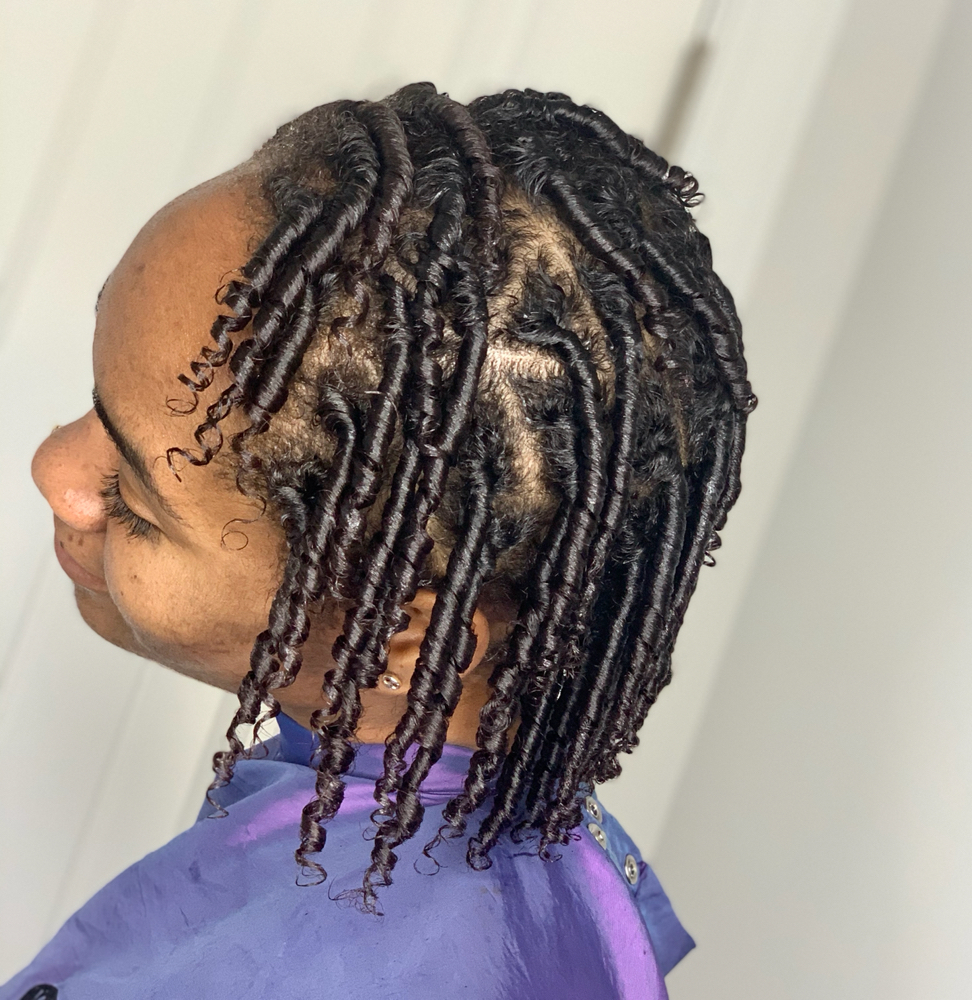
Your protective style also plays a role. It matters more than people think. Braids, twists, and other protective styles can often go two to four weeks between washes since the hair is not exposed to daily manipulation, but the scalp still needs attention. A diluted shampoo applied with an applicator bottle directly to the scalp lets you cleanse without disturbing the style.
Scalp health matters too. A lot, actually. If you deal with dandruff, excess oil production, or product buildup, you may need to wash more frequently with a clarifying formula, paired with scalp treatments to actually address the root cause rather than just masking it.
Building a Rhythm That Works for You
I tell clients to think of wash day less as a fixed calendar date and more as a response to what their scalp and hair are telling them, so start with once a week, pay attention for two or three cycles, and adjust based on the signs above once you have a feel for your own pattern. Your hair will tell you what it needs once you know what to look for.
If you are still not sure what is normal for your specific hair type and lifestyle, that is exactly the kind of thing I love talking through during a consultation. You can see the full menu of scalp and cleansing services on our services page, and if you want a professional assessment of your scalp health, book an appointment and we will figure out your ideal rhythm together.
At the end of the day, there is no universal right answer, only the right answer for your specific hair, and that's true no matter what anyone else's routine looks like.
Adjusting as Life Changes
Your ideal wash frequency is not a permanent number written in stone. It shifts as your life shifts. A new workout routine, a change in climate, a pregnancy, or even a new medication can all change how your scalp behaves. Your wash schedule may need to change right along with it.
What About Co-Washing Between Full Washes?
Co-washing, or cleansing with a conditioner instead of shampoo, can be a nice bridge for clients who need more frequent cleansing than a full shampoo schedule allows but still want to avoid over stripping their hair. This works especially well for very active clients who sweat often but do not necessarily have heavy product buildup requiring a full clarifying wash every single time. Small difference, big impact.
A Note on Protective Styles and Wash Frequency
I mentioned protective styles briefly above, but it is worth expanding on, since braids, twists, and similar styles change the calculation for wash frequency because you are managing scalp health separately from the visible hair. An applicator bottle filled with a diluted shampoo lets you target the scalp directly, section by section, without disturbing the style itself. Follow with a diluted conditioner or scalp oil to keep things balanced. Nothing complicated needed.
Listening to Your Hair Over Time
The best thing you can do is pay attention over several wash cycles rather than judging based on a single week, since hair and scalp behavior can vary due to stress, weather, hormones, and even the products you introduce. Keep a simple mental note, or even a note on your phone, of how your scalp feels a few days after each wash. Over a month or two, a pattern usually becomes clear.
When Your Routine Is Not Working No Matter What You Try
Sometimes wash frequency is not actually the core issue, even though it feels like it. It happens. Persistent itching, unusual odor, or flaking that does not respond to adjusting your wash schedule can point to a scalp condition that needs a more targeted treatment plan. This is a great reason to come in for a proper scalp consultation rather than continuing to guess at home.
Getting your wash frequency right is one of the simplest ways to improve how your hair looks and feels day to day, and it is worth the small amount of trial and error it takes to find your rhythm.