I want to start this one with the conversation I have most often in my chair when a client is worried about heat damage: there is no product on any shelf that reverses damage that's already happened to a strand of hair. Hair is not living tissue once it's grown out of the follicle, it can't heal itself the way skin does. What we can do is stop further damage, rebuild what strength is possible, and manage growth strategically until healthier hair replaces what's compromised. That's the honest plan. It works.
Step One: An Honest Triage
Before anything else, I need to actually assess what we're working with. Heat damage typically shows up as one or more of these signs.
- Strands that have lost their natural curl pattern and hang limp or straight even after a wash.
- Hair that feels gummy or mushy when wet, which usually indicates protein loss.
- Excessive breakage, especially mid-shaft.
- A rough, straw-like texture that doesn't respond to conditioner the way it used to.
- Visible thinning at the ends compared to the rest of the strand.
Some sections are often more damaged than others. Not every strand takes the same hit. Usually it's wherever heat was applied most frequently or at the highest temperature, like the crown or the ends, and I always look strand by strand rather than assuming the whole head needs the same plan.
Step Two: Stop the Bleeding
This sounds obvious, but it's the step people resist the most because it means giving up styling options for a while. It's hard. If we're in active recovery mode, here's what that looks like.
- No flat iron, no blow dryer on high heat, no hot tools at all for a defined stretch of time.
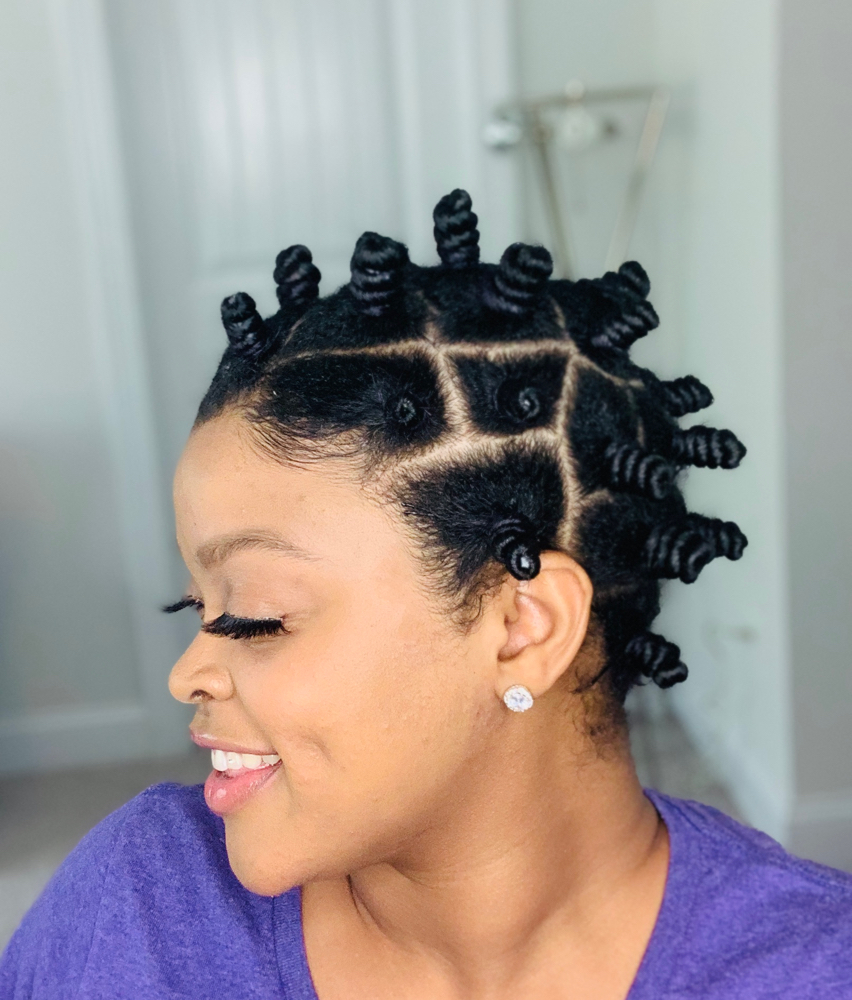
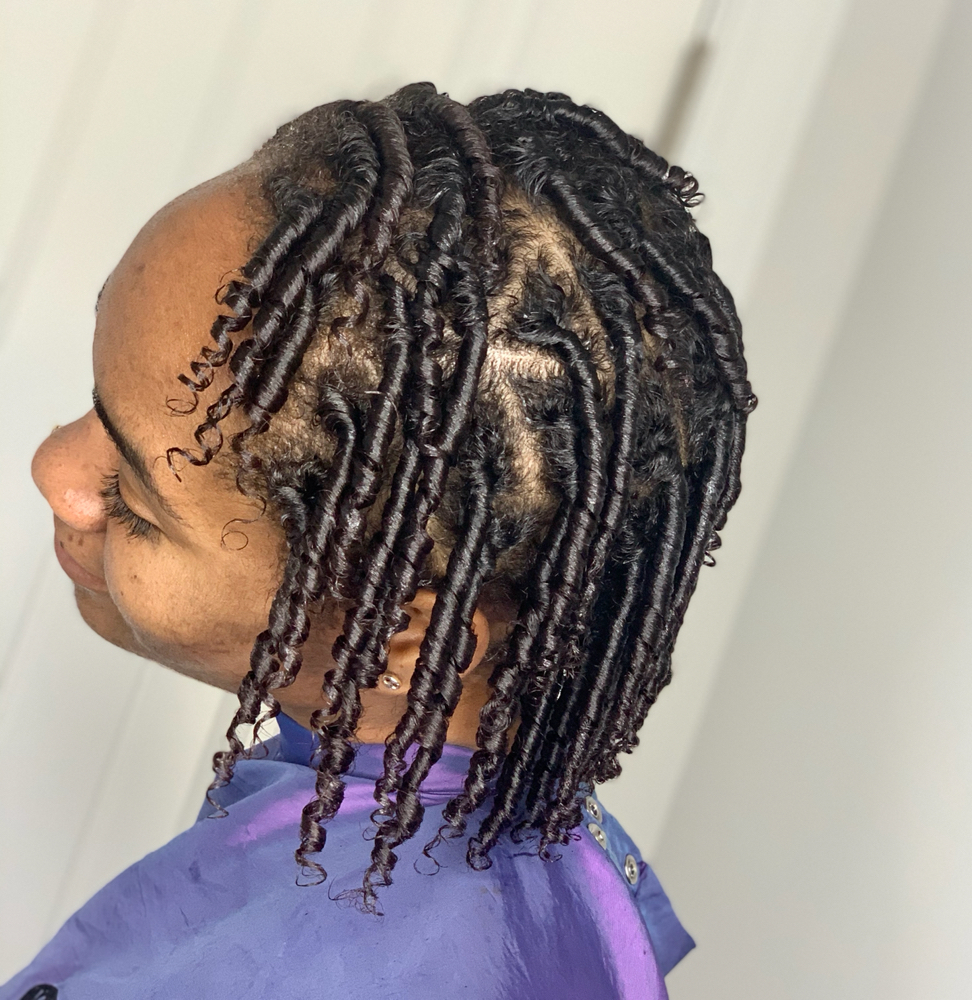
- Switching to heatless styling methods, twist-outs, braid-outs, roller sets without direct heat, or simply wearing your natural texture.
- If a silk press is non-negotiable for an occasion, using the lowest effective temperature and minimal passes, and treating it as the exception rather than the routine during this period.
Step Three: Rebuild the Protein-Moisture Balance
Heat damage is fundamentally a protein problem. High heat breaks down the protein bonds that give hair its structure and elasticity. Recovery means carefully rebuilding that structure without overdoing it. Too much protein makes hair stiff and brittle in the other direction.
- Start with a protein treatment appropriate to your level of damage, lighter protein treatments for mild damage, stronger reconstructors for more significant breakage. This isn't a one-time fix. It's usually a repeated step over several weeks.
- Follow every protein treatment with a deep moisture treatment. Protein and moisture work as a pair. Never protein alone. Skipping the moisture step is one of the most common mistakes I see when people try to DIY this at home.
- Incorporate a bond-building treatment like Olaplex or a similar bonding system into your routine. These products work at the molecular level to help rebuild some of the broken disulfide bonds within the hair shaft, which genuinely does improve elasticity and reduce breakage over a treatment series. It's one of the few categories of product that has real mechanism behind the marketing.
- Space these treatments consistently rather than doing one and expecting it to hold. Recovery is cumulative.
Step Four: Trim Strategically, Not Emotionally
I know cutting hair feels like the opposite of what you want when you're trying to grow it out, but any section that's truly heat-damaged beyond repair is only going to keep breaking and thinning further if we leave it. Rather than one dramatic cut, I usually recommend a strategic approach.
- Dust the ends regularly, very small trims, often just a quarter inch, to keep breakage from traveling upward.
- Reassess every six to eight weeks as new, undamaged growth comes in, gradually phasing out the damaged length.
- Save a fuller cut for a point when it makes a meaningful difference rather than cutting reactively out of frustration.
Step Five: Be Patient With the Timeline
Realistic hair growth is about half an inch per month for most people, and that new growth comes in undamaged from the follicle. Full recovery, meaning damaged length is gone and replaced by healthy hair, genuinely takes months, sometimes closer to a year depending on how much length was affected. There's no product that speeds this up beyond what your hair is biologically capable of. Not one. What you're doing with treatments and trims is protecting the new growth and minimizing further loss along the way, not accelerating growth itself.
When to Bring In a Professional
If you're seeing significant breakage, gummy texture when wet, or you're not sure how far the damage extends, this is worth an in-person assessment rather than guessing with products at home, and I can look at your hair strand by strand, then tell you honestly what's recoverable versus what needs to be trimmed, and build a realistic treatment plan around your specific hair. Check out our services page for the treatments I use in the chair, or go ahead and book an appointment so we can get an honest read on where your hair actually stands.